

My Submission to Christendom
For those of you that know me, this will come as a shock. For those of you that don't I'll try to review my history real quick.
Atheism
The first time I mentioned religion on this blog was in this post,
I Don't Understand Why Jews Are Disliked.
I wrote:
"I've been an atheist since I was 15. I started out being aggressively atheist." ... "Many of us live our entire lives being suppressed and that's why when we are finally able to express ourselves, we start out being aggressive about it."
"I've now lived long enough to realize that religion is a life hack a lot of people use to improve their lives and I wouldn't knock it as much as I might have in the past. Especially as I now see how people will find a new religion, even one that has nothing to do with gods, and they'll have the same problems of hating each other over that, even if everyone became atheists it wouldn't end the philosophical holy wars."
Here you can see that by the time I started keeping this blog, I was beginning to develop a Jordan Peterson style view of God. That is to say, I couldn't really bring myself to believe it, but I can see how strongly it benefits individuals and communities to do so.
Norse Paganism
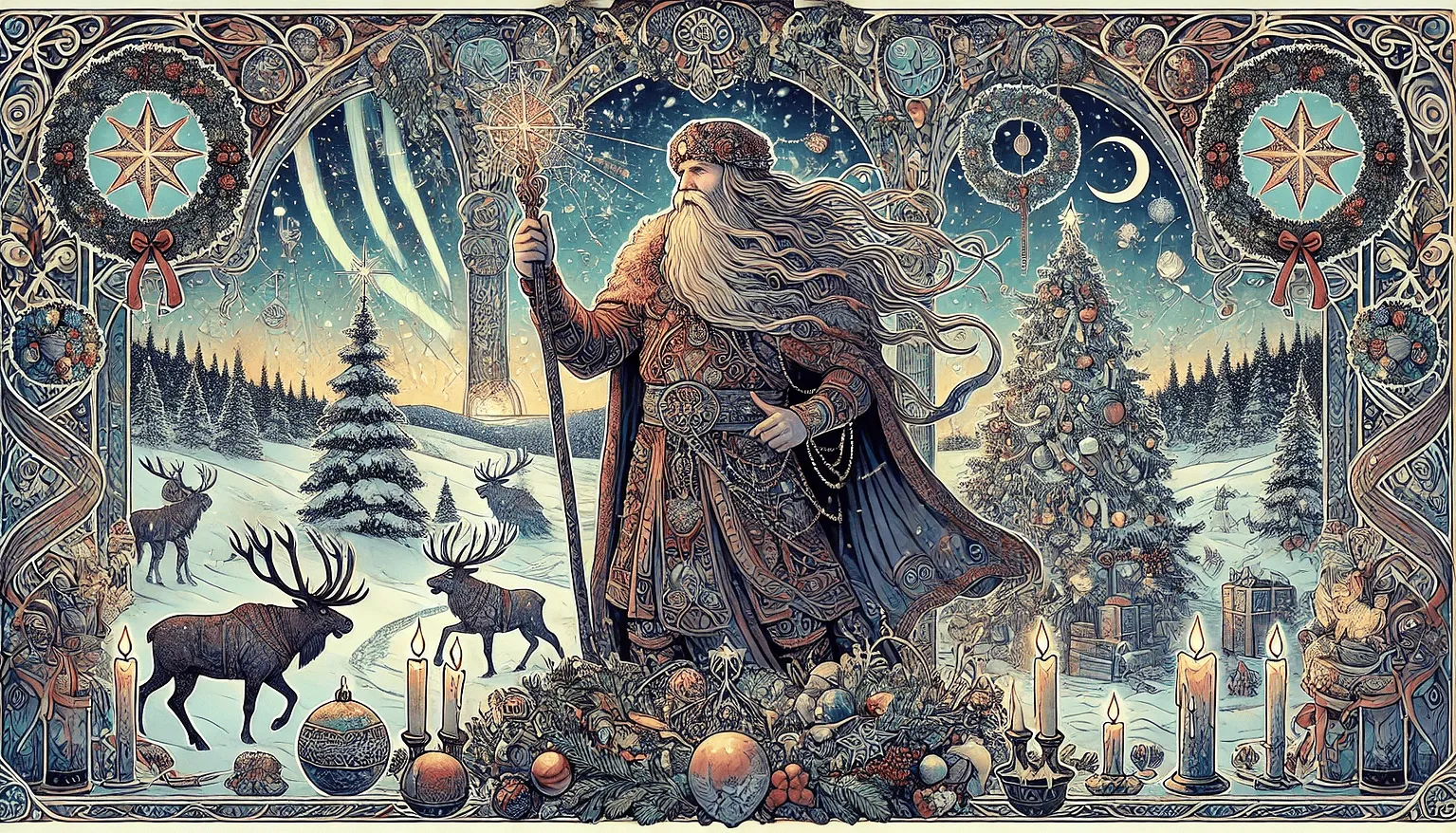
Something I do believe in is the power of sacrifice. Not that I've slaughtered goats and oxen in the Old Testament way, nor have I attempted to reconstruct the practice of Blót, but I've often thought about the Eddic stories of Odin in relation to my own life.
In Völuspá, Odin summons a seeress from the dead using necromancy who gives him the prophecy foretelling that he will be killed in an event known as Ragnarök. From that day forward, he dedicates all of his days to gathering an army to fight in this final battle and seeking knowledge to help him change his fate though he is destined to lose. In this way, the story of Odin is the story of mortality, something all humans can relate with.
In the same lay he sacrifices himself to himself. Stabbed through the heart with his spear of the Dwarves and he hangs for nine days and nights on the sacred ash tree. In return for the sacrifice, he receives knowledge of the runes. Some people interpret that to mean that he gains some form of arcane magic but I prefer to think that he simply comes away knowing how to read and write.
In order to receive the wisdom to even know how to summon the seeress, Odin stabbed out his own eye and offered it to the well of Mimir at the base of the sacred ash. And while I have never stabbed out my own eye, I have been physically crippled in other ways that you could say I did to myself.
When something horrible happens to you and you manage to live through it, there ends up being a silver lining. Any time that you lose something great, something unexpected will be gained. This feeling has stuck with me since I was transformed.
Of course I don't believe in pagan gods. They're simply more relatable stories to me than the ones from the Bible. And for a while I liked to think that the role of religion and its effect on your mind could be found in honoring the customs of the ancients. But no.
Neo-pagans have no connection to the ancients. Even the Eddic myths and the sagas were written at least 100 years (sometimes closer to 400) after paganism was gone from northern europe. No one today has any connection to the old ways. It's mostly people with active imaginations who read Tolkien and played D&D. That's it.
Even with that aside, the "heathen" community is the worst of two extreme forms of retardation, both of them sharing in common that they recreationally shit on their ancestors while claiming to respect them. So there's literally nothing there aside from studying the myths in a scholarly way with people who are at least grounded in reality, which I like to think that the pagans were a practical people. So that rules out any neopaganism.
The truth is, whether you like it or not, the ways of the ancients were both lost and absorbed into the Catholic church.
Catholicism
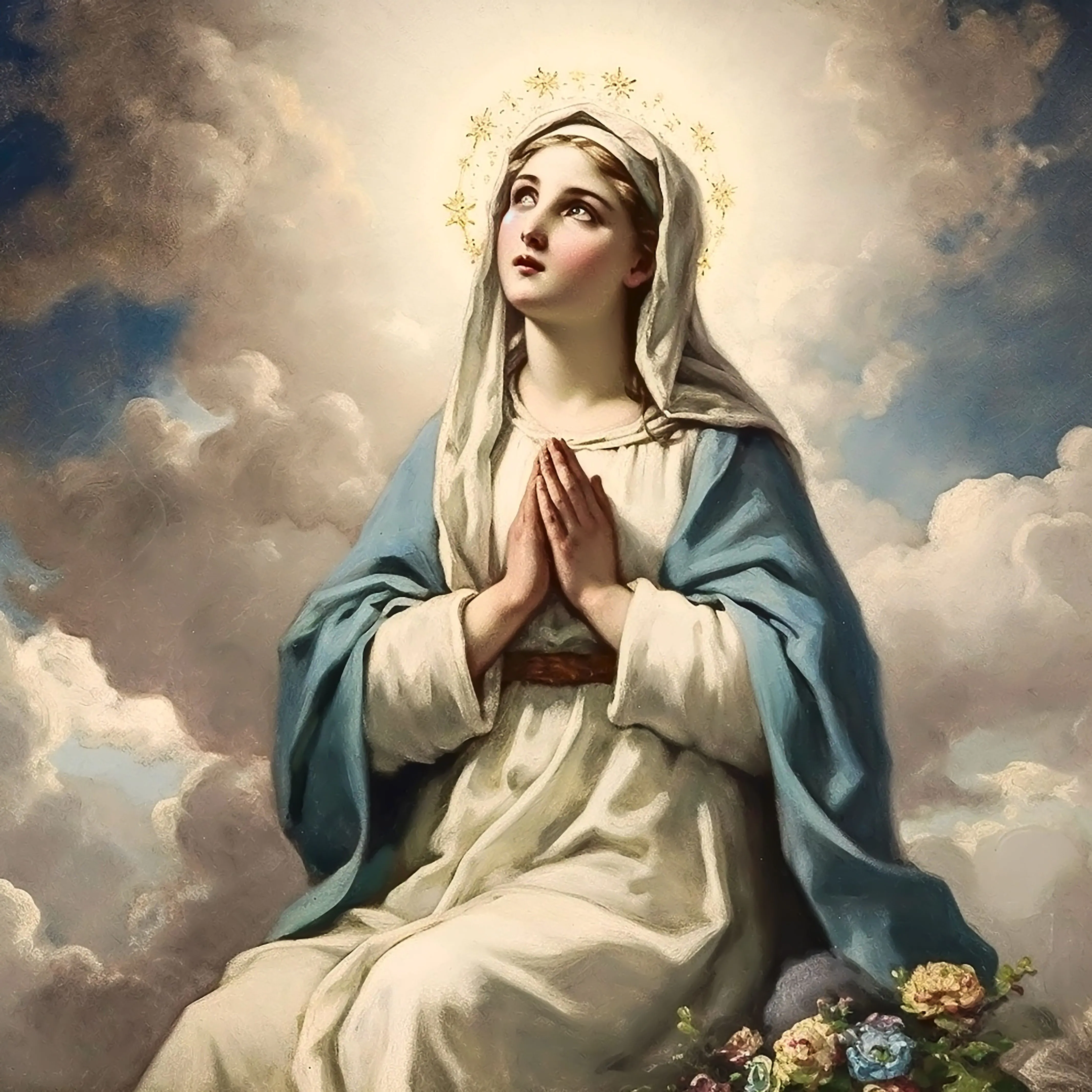
I've never been to the church so I don't know what's going to happen when I get the will to go. But I like the idea. I like rituals. I like saying the same words I've said before. I like the formulaic approach to the liturgies. I like how the priests are men who have to sacrifice for their position, so they're not just highly charismatic motivational speakers. And I certainly will be glad that they don't play contemporary pop music. I like the idea of saints and having many of them to think about. I like that there is 2000 years of history and it goes all the way back. I like the art and architecture and all the things protestants don't like.
After reading the Epistle to Hebrews last night, I'm still not sure if I will ever believe in the Ressurection (which is quite frightening in the context of that scripture and what I am intending to do here). But until such time, something I can believe in is that there is power in self sacrifice. The church is real. The people in the church are real. I believe that a structured way of life and obedience entail earthly results that are real. And I believe that after changing as much as I've already changed, it's possible I could one day believe it.
I'm not sure what mental gymnastics it will take. Will I have to cast my eye into the well of Mimir? Or will attending mass daily for a year be enough to get closer to where I really believe?
I suppose I'll be a heretic on the day of my babtism. But maybe one day I'll come close to communion with the church.
There are several things I'll probably never care about: contraception, abortion, being gay. Can't see myself ever caring about any of these things. Luckily they mostly don't apply to my life. I'll be sure to ask forgiveness from the priest if necessary.